The Second-Owner Shelf: 12 Categories Where Returned Gear Is the Smart Buy in 2026 — and 6 Where It's a Bad Bet
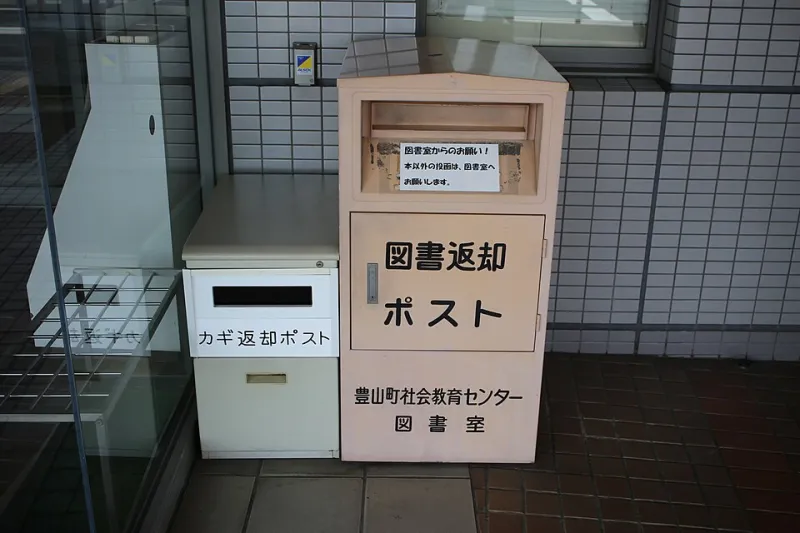
Photo: 円周率3パーセント (Enshuritsu 3 percent), CC BY-SA 4.0, via Wikimedia Commons
Open-box is not a condition grade. In 2026 it is a shelf label, and it can mean anything from a customer who changed their mind in the parking lot to a floor model with a year of fingerprints on it. The same goes for 'certified refurbished,' 'returned,' and 'like new.' If you shop the returned-merchandise aisle like a catalog editor, though, you can separate the real markdowns from the ones that just move the cost to a different line item.
The trick is to run a simple ledger. Start with the sticker discount. Subtract the cost of replacing missing accessories, the value of the warranty you give up, any battery service you will likely need, and the hassle cost of a short return window. If the number is still positive, the open-box shelf is your friend. If it is negative, the product is not actually cheaper — it is just priced in a more annoying way.
The specs that decide the arithmetic
Most shoppers check the price and the cosmetic grade. The useful numbers are usually one layer down.
- Battery health and cycle count. For anything with a battery, ask for cycle count, design capacity, and whether the battery is user-replaceable. A 20% discount can disappear behind a $90 battery replacement.
- Warranty coverage. A retailer's 90-day open-box policy is not the same as a manufacturer's one-year warranty. Ask who backs it, how long it lasts, whether it transfers, and when the clock starts.
- The accessory checklist. Charger, cable, remote, stand, mounting hardware, ink or toner, battery, blade, calibration mic. Missing pieces are cheap individually and expensive together.
- Return window. Fifteen days versus 90 days changes the risk. Restocking fees and 'final sale' tags change it again.
- Account locks and registration. Activation locks, manufacturer accounts, and prior owner registrations can turn a bargain into a support ticket.
- Serial number and service history. A serial number lets you check warranty status and confirm the item is not reported lost or stolen.
12 categories where like-new usually wins
These are categories where the product is easy to inspect, the wear items are obvious, and the warranty usually survives the trip back to the shelf.
- Computer monitors. No battery, easy panel tests, and often the same warranty as new. Check for dead pixels, backlight bleed, the stand, and the power brick.
- Camera lenses. Glass does not wear out from a single return. Check for dust, fungus, caps, and the hood; confirm the warranty is intact.
- AV receivers and passive speakers. Simple electromechanical gear. Verify the remote, calibration microphone, and speaker terminals, and you are mostly done.
- Stand mixers. Heavy, simple, and repairable. Check the bowl, whisk, dough hook, and warranty before you lug it home.
- Desktop towers. No battery to worry about. Buy manufacturer-certified units when you can, and verify the GPU, RAM, and power supply spec sheet.
- Office chairs. The wear parts are visible: casters, gas lift, armrests, mesh. A floor model can be a real bargain if the warranty transfers.
- Gas grills. Open-box grills are common after spring returns. Check grates, igniter, regulator, and hardware bag; the savings can be substantial.
- Corded vacuums. No battery, no cycle count. Inspect the hose, brush roll, and attachments, then confirm the motor warranty.
- Mesh Wi-Fi kits. Check that every node, power adapter, and Ethernet cable is present. A factory reset handles most prior-owner settings.
- Mechanical keyboards. Wired models have no battery. Check keycaps, switches, cable, and stabilizers; cosmetic wear is usually obvious.
- Sewing machines. Mechanical models are repairable and easy to test. Confirm the bobbin, presser feet, pedal, and manual are included.
- Small kitchen appliances. Toasters, kettles, and drip coffee makers are low-risk open-box buys if the carafe, basket, and filters are all there.
6 categories where the discount is a trap
These are the categories where the hidden cost is either hard to test, hard to replace, or hard to insure.
- Smartphones. Battery health, activation locks, and warranty gaps are the big three. A phone that needs a new battery and a new charger is not a bargain. Stick to manufacturer-certified refurbished units with a clear return window.
- Laptops. Cycle count, charger, warranty start date, and soldered RAM all matter. Retail open-box laptops are often fine, but a non-certified return with a tired battery and a 14-day window is a gamble.
- Mattresses. Hygiene, law labels, and warranty voiding make this a no. The discount is never big enough to offset the unknowns.
- Car seats and baby gear. You cannot verify crash history, expiration, or missing parts. This is one category where new is the only sensible catalog move.
- Drones. Battery cycles, firmware, registration, and missing controllers are hard to sort out on a store counter. The savings can vanish after one replacement battery.
- Cordless tool kits. Missing batteries and chargers are the classic trap. A bare tool at a discount is not the same as a kit, and aged batteries are expensive to replace.
The receipt rule
Before you buy any returned item, get the condition grade, serial number, battery report if applicable, accessory list, warranty terms, and return window in writing. If the seller will not provide those details, price the item as if it were new — or walk away. The best open-box buy is boring: the discount is real, the missing parts are none, and the warranty still has somewhere to go.